
Leo XIV returns to the Papal Apartment in the Apostolic Palace
For the first time since February 2013, the traditional residence of the popes will be home once again to the Roman Pontiff.
VATICAN CITY (PerMariam) — On Saturday afternoon, Pope Leo XIV took possession of his apartment in the Apostolic Palace, thus ending a 13-year vacancy began when Benedict XVI left the papal lodgings.
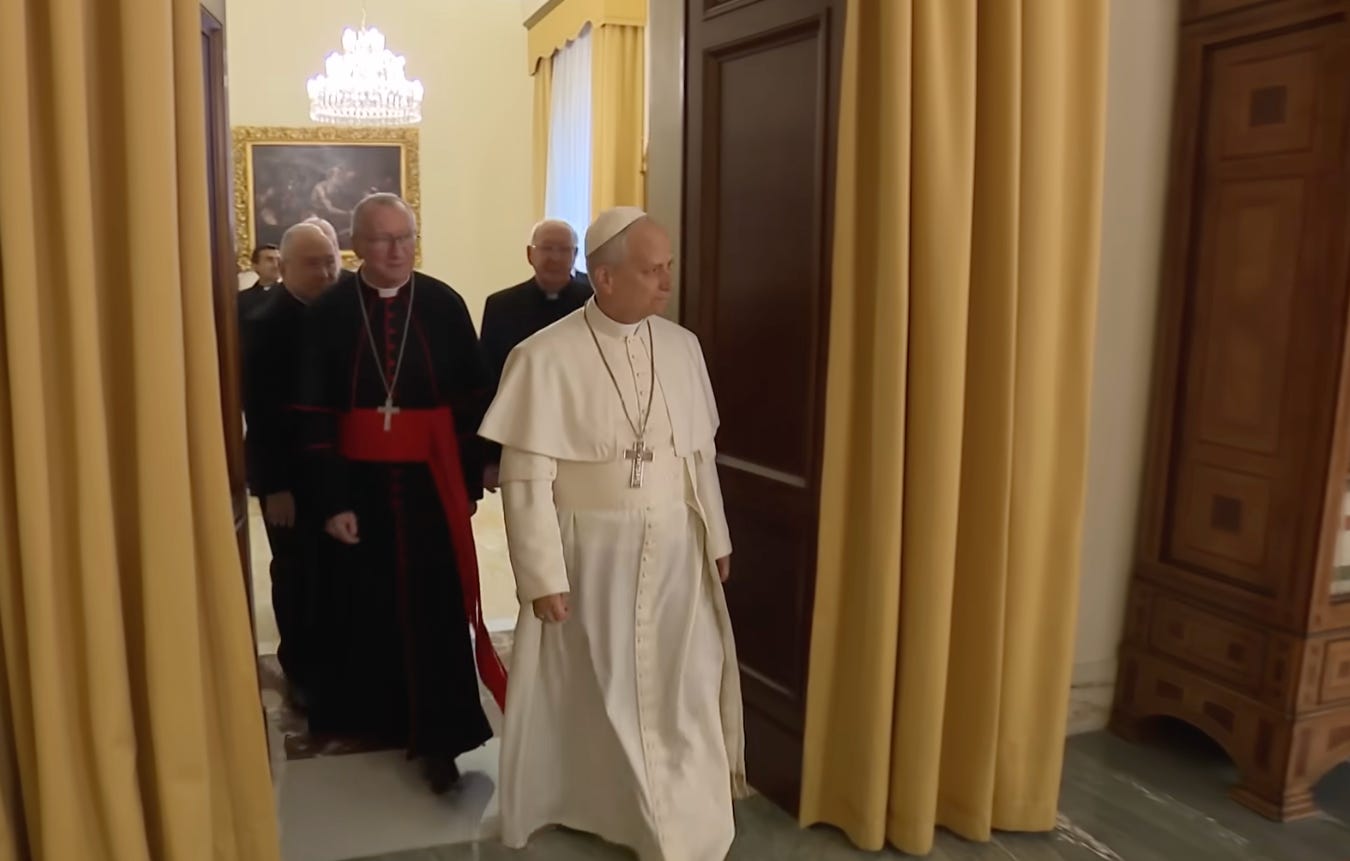
According to a statement from the Holy See Press Office on Saturday, Leo XIV moved into his new apartment in the Apostolic Palace on March 14. The Vatican stated that:
This afternoon, Pope Leo XIV will take up residence in the Apostolic Palace, moving—along with his closest aides—into the quarters previously occupied by his predecessors.
Since his election on May 8 last year, Leo had been living in his old room in the Palace of the Holy Office, now known as the Dicastery for the Doctrine of the Faith – the room he occupied since becoming Prefect of the Congregation for Bishops.
It is expected that Leo will reside with his two secretaries: Peruvian preist Monsignor Ivan Rimacuya and Italian cleric Father Marco Billeri.
The move back to the Apostolic Palace had long been anticipated, indeed even from the earliest days of Leo’s pontificate. Though he himself gave mixed signals in the first few weeks as to whether he would move into the Apostolic Palace, the decision was clear by the latter part of 2025.
Recent weeks have seen restoration works underway to repair the exterior and interior of the Apostolic Palace, after Pope Francis left the rooms unused. Francis famously rejected living in the papal apartments, just using some of the rooms for official meetings. Instead he lived in Room 201 of the Casa Santa Marta guesthouse in Vatican City grounds.
Investigations conducted last year by Italian outlet Il Tempo revealed that such a decision to live in Santa Marta cost the Vatican almost €200,000 per month, leading to nearly €30 million over the course of the 12-year pontificate.
The customary papal apartment in the Apostolic Palace has been described as frugal by many journalists who have visited, since the rooms provided for the actual living quarters are notably simple. The pope has a bedroom and a study; his secretary also has an office. Then there are certain communal quarters occupied by the various household staff such as the kitchen and dining room, a living room and a chapel.
Each pope makes certain modifications to tailor the are to his requirements. Those carried out for Leo included repairing dampness in the walls and updating the bathroom. The renovations were reportedly far more expansive than anticipated.
According to Leo’s brother, Leo’s specific modifications also included making space for some exercise equipment. The last time the apartment was renovated was in 2005 for Pope Benedict XVI.
According to the Vatican, Leo’s apartment “includes several rooms, among them the private study room, where the Pope appears at the window for the Angelus in St. Peter’s Square, a library, and a small chapel.” No more specific detail was given.
Some prior speculation has abounded that Leo would actually live in the small apartment above the papal suite – a place traditionally reserved for the Pope’s secretary. The Vatican has not commented any further than the brief statement handed out earlier on Saturday, but lights have been turned on in both areas: the traditional papal and secretarial apartments.

The Pope’s choice of lodging is more than simple intrigue into the life of a pope. Francis’ decision to eschew the papal apartments not only caused an immense financial and logistical burden on the Vatican, but it broke with a long-established tradition and was viewed as part of a wider undermining of Traditions underpinning the Holy See and the wider Church.
Asked last May about the papal living quarters, respected Church historian Henry Sire told this correspondent that “the reversal of this Santa Marta extravagance is the first step that needs to be taken to begin filling the gigantic hole in the Vatican’s finances created by Francis’s anti-Reform, i.e., in effect anarchic destruction.”
Using the Apostolic Palace is also a simple move which creates an important connection between the Pope and the Roman populace. Passers-by are able to see the lights in the papal study, thus developing a small, but incredibly meaningful link between pope and people. Francis’ decision to live out of any public sight in the Casa Santa Marta severed that chain, and the loss of it was felt keenly.
For many years the papal apartment has been used but sparingly by a pope for the Sunday Angelus and official meetings. Now for the first time since February 2013, it will be home once again to the Roman Pontiff.


